Technology
Inside Noridian Healthcare Solutions at 60
By Jessica Rourke
Advertisement · Why this ad?
Ravi Patel has a background in economics and journalism, graduated from the University of North Dakota. With four years of experience at local news outlets, he specializes in business trends and economic development in the Grand Forks area.
More from Ravi →
The familiar image of a hospital—a place of bustling activity, beeping machines, and anxious waiting—is slowly evolving. Increasingly, procedures once confined to those walls are now being performed in ambulatory surgery centers (ASCs), a shift driven by cost savings, faster recovery times, and patient convenience. This trend, while offering benefits, presents unique challenges for rural communities like ours here in Grand Forks, where access to healthcare can already be a significant hurdle for many families. The move towards ASCs isn’t simply a technological upgrade; it’s a fundamental reshaping of how healthcare is delivered, and it’s vital that we understand its implications for our neighbors and our region.
The healthcare industry is experiencing a notable shift, with procedures like minor orthopedic surgeries, general surgical interventions, ear, nose, and throat (ENT) procedures, urology, pain management, gynecological care, and others of lower acuity increasingly being performed in ambulatory surgery centers (ASCs) rather than traditional hospitals. This transition is fueled by a combination of factors: lower costs associated with ASCs, quicker patient recovery times, increased convenience for patients, advancements in medical technology and minimally invasive techniques, and favorable reimbursement policies. According to Pete Edis, CEO at McKenzie Health in western North Dakota, the question guiding this shift isn't whether a procedure *can* be performed on an outpatient basis, but rather, “What setting gives this particular patient the best opportunity for a safe and successful outcome?”
The growth of ASCs is particularly pronounced in higher-resourced counties, even those with historically underserved communities, according to a study by the National Institutes of Health. This expansion is often less regulated than acute care hospitals and is driven by financial incentives to prioritize ambulatory surgery for lower-risk and more profitable cases. Joe Wendt, senior vice president of operations at Essentia Health, highlights the rapid movement of complex or severe elective procedures, including total knee, hip, and shoulder replacements, to ASCs. Spine care, certain cardiovascular procedures, minimally invasive gynecologic surgery, ophthalmology, and urology are also shifting to ASCs. Beyond surgery, the shift includes a broader range of services like infusion therapy, imaging, wound care, rehabilitation, dialysis, remote monitoring, and even some home-based care.
In Grand Forks and the surrounding region, this means that procedures once routinely performed at Altru Health System or Sanford Health may increasingly be offered at specialized ASCs. While this can lead to greater accessibility and potentially lower costs for some patients, it also raises concerns about the long-term sustainability of our local hospitals, particularly in rural areas where they serve as vital anchors for the entire community. For example, McKenzie Health’s Edis notes that while urban markets may readily embrace outpatient procedures, such an approach isn’t always appropriate for rural patients who may lack access to home healthcare or physical therapy.
While the shift to ASCs offers potential benefits, the transition hasn’t been without concern, particularly among rural healthcare leaders. Mike Delfs, CEO and President of Jamestown (ND) Regional Medical Center, emphasizes the need for healthcare providers to adapt to evolving clinical practices and patient expectations. “As more procedures move to outpatient settings, each healthcare organization needs to assess how best to meet those expectations,” he stated. The concern stems from the financial challenges hospitals face due to higher overhead costs associated with 24/7 emergency, inpatient, and diagnostic services.
Delfs specifically points out that rural communities often have a smaller pool of patients supporting their entire healthcare infrastructure, and separating procedure volume from local hospitals can jeopardize the ability to maintain essential services. He advocates for rural healthcare policy that considers the sustainability of the entire local healthcare system, not just the cost of individual procedures. The reality for many families in rural areas is that they may live 50 miles or more from a hospital, often on challenging roads, and lack readily available home health and therapy services—factors that complicate the transition to outpatient care.
Rural critical access hospitals often provide extended care beyond surgery. For instance, keeping a total joint replacement patient an extra day or two enables therapists to improve mobility and ensure a safe recovery before returning home, thereby avoiding frequent long-distance travel for outpatient surgery, Edis explained. This extended care is a vital safety net for vulnerable patients, and its potential reduction raises concerns about patient outcomes and the overall health of our rural communities.
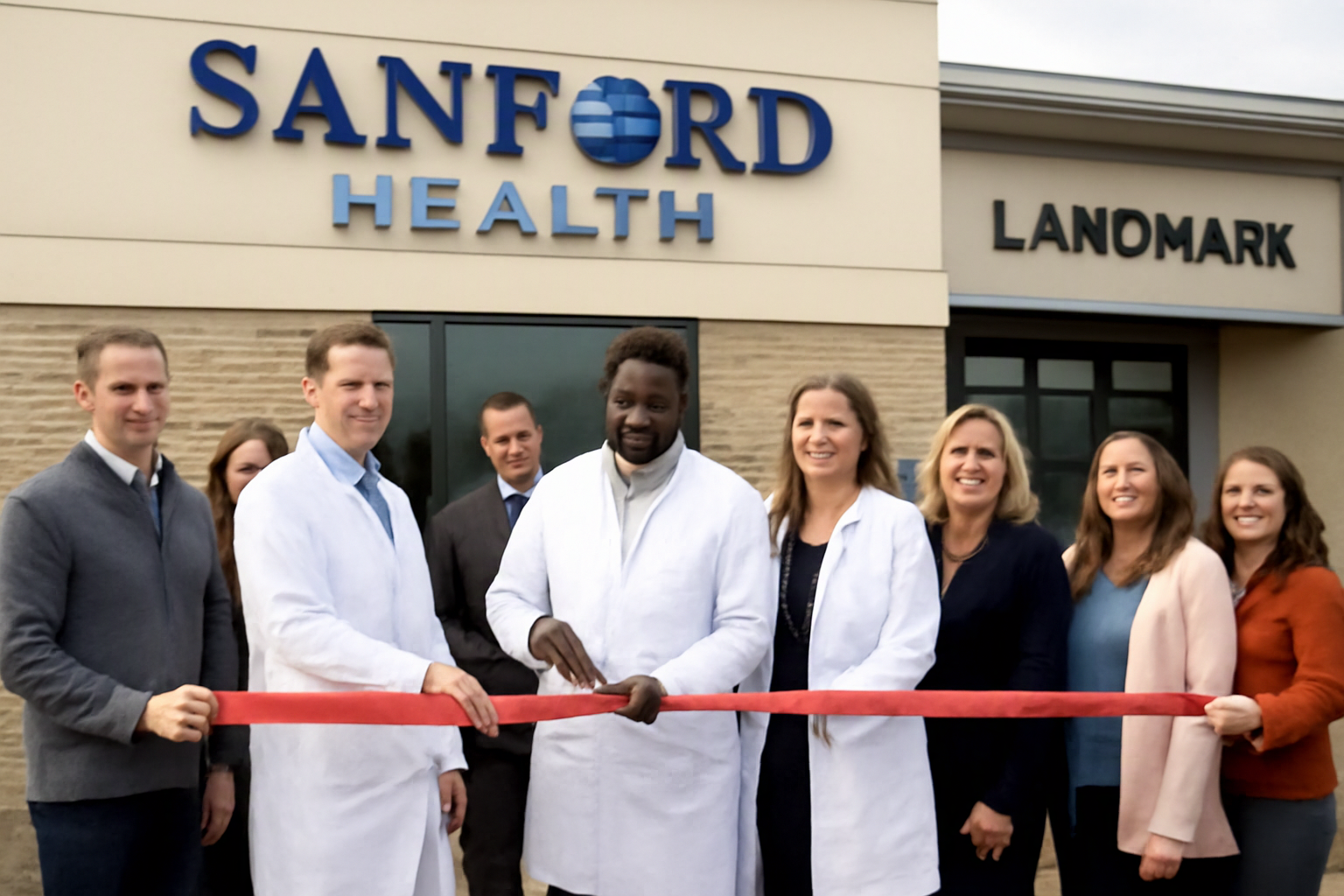
Looking ahead, healthcare systems in our region are actively adapting to this evolving landscape. Sanford Health, for example, is partnering with developers and communities to expand outpatient offerings, including a joint venture for an ambulatory surgery center in Grand Forks. Essentia Health is pursuing a mix of construction, acquisitions, and partnerships, with joint ventures increasingly favored. This includes expanding outpatient care through the creation of larger networks encompassing imaging, rehabilitation, infusion, urgent care, and specialty clinics. A notable example is Essentia Health's partnership with Brightside Surgical in Bismarck to retain physicians, patients, and procedures while expanding access at a lower cost.
The future likely holds even more expansion of home-based services like Hospital at Home and virtual care, as well as strategic real estate planning to meet patient demand and maintain quality standards. As Mike Delfs predicts, the hospital of the future may look different from today, with fewer traditional inpatient days and a greater focus on outpatient specialty care, surgery, and diagnostics. The challenge, he emphasizes, will be ensuring that the financing model evolves alongside the clinical model so rural communities can maintain the core services. Patients should not have to travel long distances to receive emergency care, inpatient capabilities, home care, and infusion services, just to name a few.
The shift from hospitals to ambulatory centers is a significant development in the healthcare landscape. As a reporter, I see this as an opportunity for rural communities to maintain their essential services while adapting to changing patient needs. However, it's crucial that we don't lose sight of the importance of strong, stable communities built on real commitment. We must ensure that our rural hospitals continue to provide the emergency and inpatient care that our neighbors need. It's a delicate balance, and one that requires careful planning and collaboration among healthcare providers, policymakers, and the community at large.
The reliance on joint ventures and partnerships, while potentially beneficial, also raises questions about local control and the potential for profit motives to overshadow patient well-being. We need to have honest conversations about how to balance the financial realities of healthcare with the moral imperative to provide compassionate and accessible care for all. The strength of a community is measured not just by its economic prosperity, but by the health and well-being of its citizens, and preserving that requires a commitment to both innovation and tradition. Strong families thrive when they have access to reliable, local healthcare; it’s an investment in our future.
It's also worth considering the broader implications for the role of faith-based organizations in providing support and care to those facing health challenges. These organizations have historically played a vital role in offering comfort, assistance, and a sense of community during times of illness and hardship, and their continued involvement will be essential as our healthcare landscape continues to evolve. The American dream is about more than just financial success; it’s about the opportunity for every individual to live a healthy, fulfilling life, supported by a strong and caring community.
For residents seeking more information about ambulatory surgery centers and healthcare options in our region, several resources are available. The Sanford Health website provides details on its outpatient services and locations. Essentia Health offers a comprehensive range of healthcare services, which can be explored at their website. Altru Health System’s website (altrucare.org) offers information about their services and facilities. The North Dakota Department of Health (ndhealth.gov) provides resources and information related to healthcare in the state. For those seeking financial assistance with healthcare costs, the North Dakota Department of Human Services (nd.gov/dhs/) offers various programs and support services.
Finally, the Grand Forks Chamber of Commerce (Grand Forks Chamber of Commerce) can provide information on local businesses and healthcare providers in the area.
The evolving healthcare landscape demands careful consideration and proactive engagement from all members of our community. By staying informed and advocating for policies that prioritize patient well-being and the sustainability of our local healthcare system, we can ensure that Grand Forks remains a place where families can thrive and access the care they need.