Health
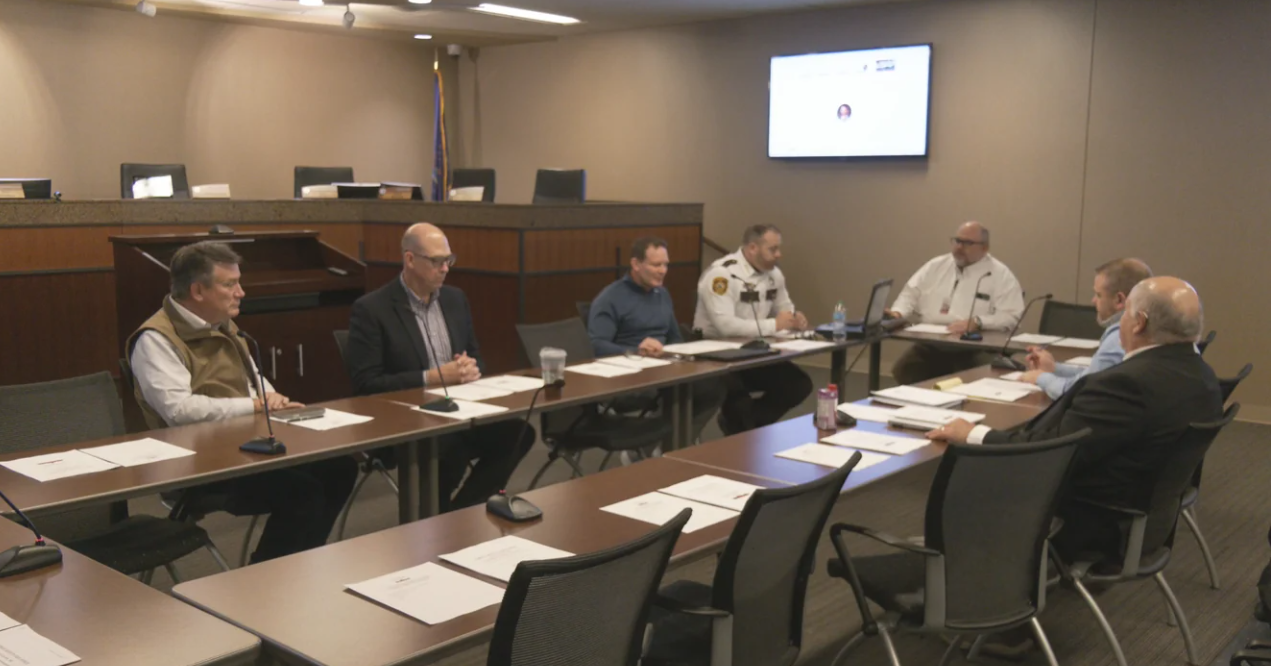
Cass County task force finds behavioral health primary public safety challenge
By Jenna Larson
Advertisement · Why this ad?
Erik Svenson is a passionate arts journalist with over five years of experience in cultural reporting. He graduated from Minnesota State University and has worked for various arts publications in the region, highlighting local artists and events.
More from Erik →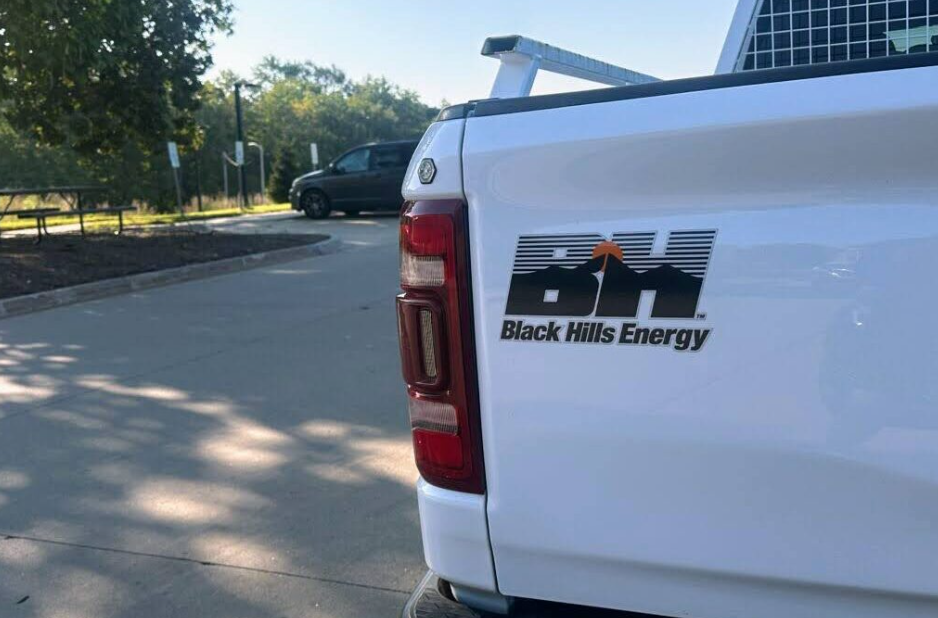
On a chilly December evening in Fargo, I found myself standing in a bustling local café, watching a young mother gently soothe her restless child while murmuring about rising bills and financial strain. Her quiet struggle echoes across many North Dakota households, even as distant regulators in South Dakota approve a rate hike that will soon ripple into the lives of thousands. The story of energy costs is more than just numbers; it’s about families, faith, and the American dream of stability and security. This week, South Dakota’s Public Utilities Commission (PUC) took a decisive step, approving a $16 monthly increase for Black Hills Energy customers, a move that stirs both concern and cautious hope among residents and community leaders alike.
South Dakota regulators, united in their decision, approved a settlement that allows Black Hills Energy to collect an additional $27.4 million annually from roughly 75,000 customers in western South Dakota. This decision came after months of negotiation, with the PUC balancing the utility’s needs against the financial realities faced by everyday families. The approved increase, which took effect on an interim basis in August, will become fully effective in December, with customers receiving refunds for overpayments made in recent months. The approved rate hike is less than half of what the company initially sought—$50.6 million—equating to about a $16 monthly jump for most households, rather than the $25 they had initially requested.
The settlement was a product of careful negotiations between the PUC staff, the utility, and large industrial customers like Monument Health and Wharf Resources. These negotiations reflect a broader effort to ensure that while companies recover costs associated with infrastructure improvements and inflation, they do not overburden the very communities they serve. The decision also includes smaller increases for commercial and industrial customers, illustrating a nuanced approach to balancing economic vitality with household affordability.
During a recent public hearing in Pierre, Commissioner Kristie Fiegen highlighted the voices of ordinary residents—families struggling with inflation, healthcare costs, and the rising expense of everyday essentials. She recounted receiving numerous messages from Black Hills Energy customers who, despite their hardships, did not have legal representation at the table, yet the Public Utilities Commission staff diligently fought for their interests. Fiegen’s words remind us that behind every rate figure is a human story—parents worried about heating bills during harsh North Dakota winters, seniors on fixed incomes, and small business owners navigating uncertain economic waters.
Attorney Amanda Reiss clarified that the PUC’s hands are bound by law; they cannot reject a rate increase solely because customers are struggling. Instead, their role is to ensure that the utility’s costs are reasonable and that the company can earn a fair return on its investments. This legal framework underscores the importance of responsible regulation—balancing the needs of utility companies with the financial health of the communities they serve. It’s a delicate dance, one rooted in the principles of fairness and stewardship, values that resonate deeply within our community fabric.
The approved rate increase is just one piece of a larger puzzle. Black Hills Energy is also seeking approval for a $20 surcharge to recover costs from the Lange II natural gas power plant, a $320 million project under construction in Rapid City. If approved, this surcharge would add roughly $19.70 to the average monthly bill starting in December. The potential for additional charges raises questions about the long-term affordability of energy for families and small businesses, especially in a region where the American dream of homeownership and stable employment remains a cornerstone of community life.
For many residents, these rate hikes threaten to stretch budgets thin, but they also serve as a reminder of the importance of responsible energy management and investment. As a community rooted in faith and resilience, North Dakotans understand the value of perseverance and faith in better days ahead. Local leaders and faith communities continue to advocate for policies that support affordable energy and infrastructure improvements that benefit everyone, especially the most vulnerable among us.
In Fargo, a city that has long prided itself on being an economic hub for North Dakota, the ripple effects of these rate hikes are keenly felt. While Fargo’s municipal power provider, Xcel Energy, operates separately from Black Hills Energy, many residents and small businesses have family or property ties in South Dakota, making the regional energy policies relevant. Local organizations, such as the Fargo-Moorhead Housing and Community Development Corporation, are now working to inform residents about potential future costs and advocating for energy efficiency programs that could offset some of these increases.
Furthermore, community faith leaders have begun to hold forums discussing how energy costs impact family stability and community cohesion. Pastor David Larson of First Lutheran in Fargo emphasizes that “energy affordability isn’t just about bills; it’s about the dignity and security of our neighbors.” Community groups are also exploring ways to assist vulnerable populations, including seniors and low-income families, through local energy assistance programs and community grants.
While the immediate rate increase is set to take effect in December, the future of energy costs in the region remains uncertain. The pending surcharge for the Lange II plant, if approved, could significantly raise bills further, adding nearly $20 per month on average. Residents and local officials are encouraged to stay engaged, attend public hearings, and advocate for transparent decision-making processes. The North Dakota Public Service Commission and South Dakota PUC are expected to hold additional hearings in the coming months, providing opportunities for community input.
In addition, local advocacy groups are pushing for legislation that promotes renewable energy investments and energy efficiency initiatives, aiming to reduce dependence on fossil fuels and stabilize costs over the long term. The community’s resilience depends on proactive policies and collective action, ensuring that economic growth does not come at the expense of affordability and fairness.
Looking ahead to 2030, the PUC’s decision to prevent further increases until then offers a window of stability, but the broader energy landscape will continue to evolve. Infrastructure upgrades, technological advances, and regional cooperation will shape the future of energy affordability. Community leaders, faith organizations, and residents must remain vigilant and engaged to ensure that these changes serve the best interests of all, especially those most vulnerable.
Ultimately, the story of energy regulation in South Dakota and North Dakota is a story about community—about people who work hard, stay faithful, and believe in a brighter, more secure future for their children and grandchildren. As we face these challenges together, the strength of our communities and the values we uphold will determine how well we navigate the uncertain road ahead.
By Jenna Larson
By Sofia Nguyen
By Lillian Becker

By Jake Thompson