Schools
Bank seeks scholarship applicants
By Khalid Ahmad
Advertisement · Why this ad?
A graduate of North Dakota State University, Isaiah Roberts has spent a decade covering educational issues in the Upper Midwest, including a stint at Prairie Public. His commitment to highlighting the challenges and successes of local schools has earned him numerous state-level awards.
More from Isaiah →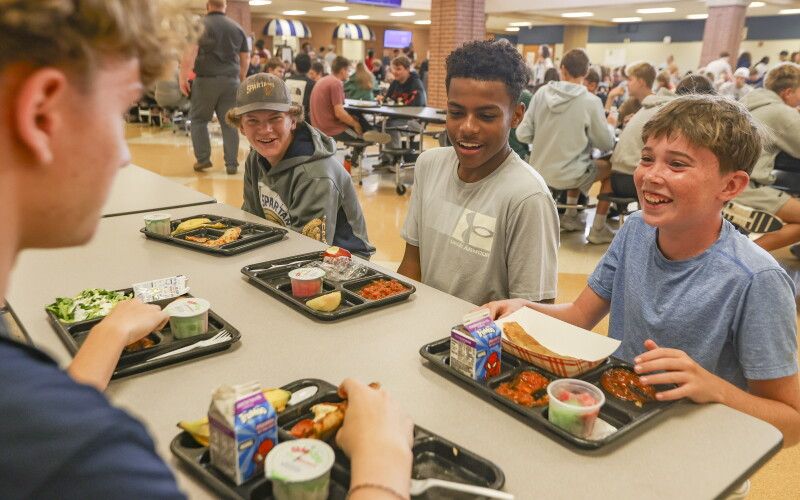
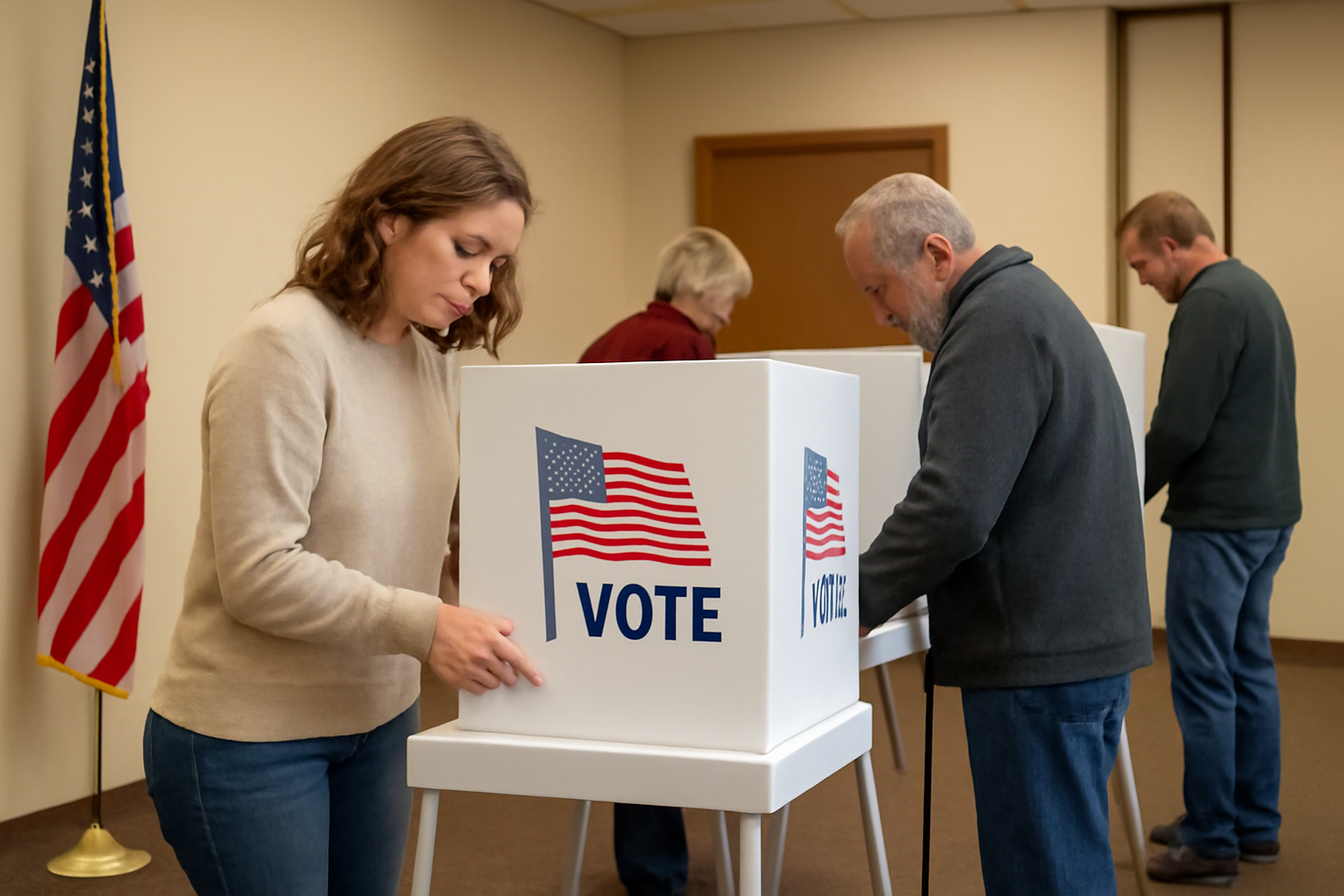
As the sun dipped below the horizon on November 3, 2026, the anticipation in North Dakota was palpable. Families gathered around kitchen tables, their eyes glued to the news as the results of the statewide ballot measure were announced. In the heart of Bismarck, the atmosphere was tense, charged with hope and anxiety. The fate of free school meals for the state’s children hung in the balance, and as the final votes rolled in, the outcome would not only affect students but also resonate throughout communities across North Dakota.
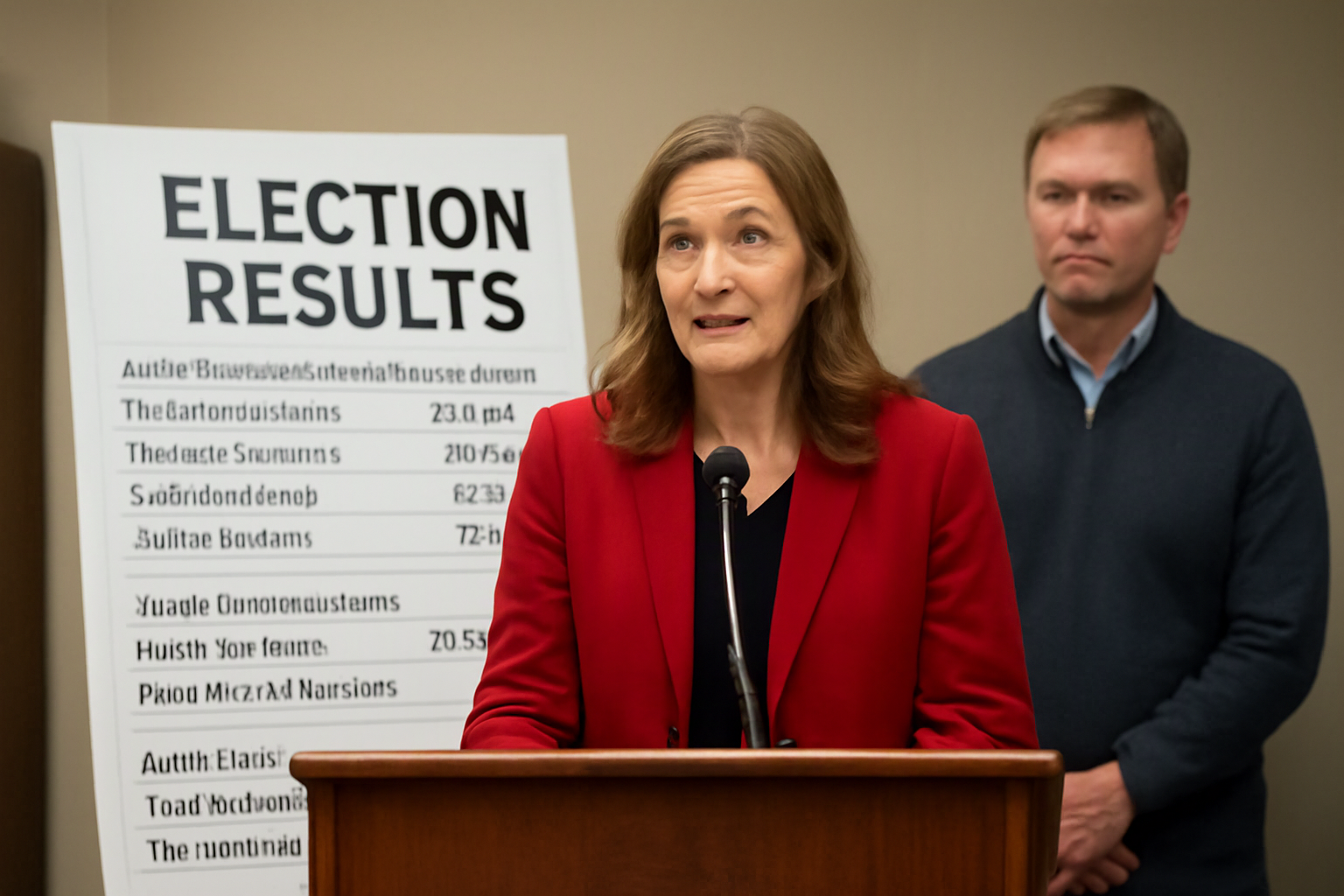
In a closely contested election, North Dakota voters narrowly rejected Measure 2, a proposal that aimed to mandate free breakfast and lunch for all public school students. The final tally showed that 50.61% of voters cast no votes, while 49.39% supported the measure, resulting in a defeat by just over 1%, or fewer than 2,900 votes. This measure was a significant initiative, backed by Prairie Action ND and the citizen-led coalition Together for School Meals, which comprises over 80 local organizations.
The proposed measure would have required public schools to provide one free breakfast and one free lunch each school day to approximately 125,000 enrolled students across the state. The financial implications were substantial, with an estimated cost of $124 million to $134 million for the 2027–29 biennium. If passed, the state would have reimbursed school districts at 100% of the rates used for free meals, adjusted annually for inflation.
Despite the measure's failure, advocates like Amy Jacobson, the leader of Prairie Action ND, emphasized the importance of the conversation surrounding school meal accessibility. “We know that families are struggling, that the affordability issue is front and center,” Jacobson stated, highlighting the ongoing challenges faced by many households in North Dakota.
The push for Measure 2 arose after state lawmakers rejected a similar proposal earlier in the year. During a special session in January, the North Dakota House passed a bill that allocated $65 million for free meals during the 2026-27 school year, but it ultimately failed in the Senate by a narrow margin of just two votes.
This failure underscored a significant divide in the legislature regarding how to address food insecurity among students. The measure sought to ensure that all children have access to nutritious meals while also alleviating the financial burdens on families. Advocates argued that providing free meals could enhance academic performance and overall well-being, particularly for students from low-income households.
The ballot language included provisions for state reimbursement to school districts, contingent upon maximizing federal funding and encouraging families to apply for free and reduced-price meal programs. This multifaceted approach aimed to leverage existing resources while expanding access to meals for all students.
The financial aspects of the measure were significant, with estimated costs ranging between $124 million to $134 million. This funding was to come from the state’s Legacy Fund, established in 2010 from oil and natural gas extraction revenues. The fund has been a source of debate among lawmakers, with some advocating for its use to address pressing social issues like child nutrition.
As families continue to grapple with rising costs of living, the defeat of Measure 2 raises questions about how the state will address food insecurity moving forward. Many families rely on school meals as a critical resource, and the absence of a statewide mandate could leave vulnerable students without access to necessary nutrition.
The community's response to the measure's defeat was mixed, reflecting a deep concern for the well-being of children in North Dakota. Many parents and educators expressed disappointment, emphasizing the need for comprehensive solutions to ensure that all students have access to healthy meals.
Local teacher and parent Sarah Thompson shared her thoughts on the outcome: “It’s disheartening to see such a close vote. Our kids deserve better, and we need to find ways to support families who are struggling.” Her sentiments echoed those of many community members who believe that food security is a fundamental right for every child.
Conversely, some voters expressed relief at the measure's defeat, citing concerns about potential tax increases or the implications of using the Legacy Fund for ongoing operational expenses. This division highlights the complexity of the issue and the varying perspectives within the community.
As North Dakota moves forward, the conversation surrounding school meals is far from over. Advocates like Jacobson are determined to continue pushing for policies that prioritize child nutrition, emphasizing that the fight for free meals is not merely about food but about the broader implications for families and communities.
In the wake of the measure's defeat, community leaders and organizations are already strategizing for the next steps. Local food banks and nonprofit organizations are expected to increase their outreach efforts to ensure families are aware of existing resources. Programs that provide food assistance to families on weekends and during school breaks may see a surge in demand, prompting discussions about sustainability and funding.
Discussions about potential legislative proposals for the next session are already underway, as stakeholders seek to address the pressing needs of families across the state. Advocates are also planning town hall meetings to engage the community in dialogue about food insecurity, emphasizing the importance of grassroots movements in influencing policy change.
In the coming months, community members will likely engage in grassroots efforts to raise awareness about food insecurity and advocate for policies that promote access to nutritious meals for all students. The hope remains that North Dakota can find a path forward that prioritizes the well-being of its children and supports families in need.
The narrow defeat of Measure 2 serves as a poignant reminder of the challenges facing families in North Dakota. As the state grapples with issues of food insecurity and access to essential resources, the conversations sparked by this measure will continue to resonate within communities. The commitment to ensuring that every child has access to healthy meals is a shared responsibility that transcends political lines.
Moving forward, it is crucial for North Dakotans to unite in support of initiatives that prioritize the health and well-being of children. By fostering strong families and communities, and advocating for policies that promote child nutrition, the state can work towards a future where every child has the opportunity to thrive. As the community reflects on this outcome, the resilience and determination of North Dakotans will undoubtedly play a pivotal role in shaping future initiatives aimed at combating food insecurity.