Schools
Constitutional measures headed for defeat
By Ella Rodriguez
Advertisement · Why this ad?
Tommy Anderson is a community reporter with a knack for uncovering local stories that matter. He has a journalism degree from Minnesota State University Moorhead and has reported for several local news organizations over his eight-year career.
More from Tommy →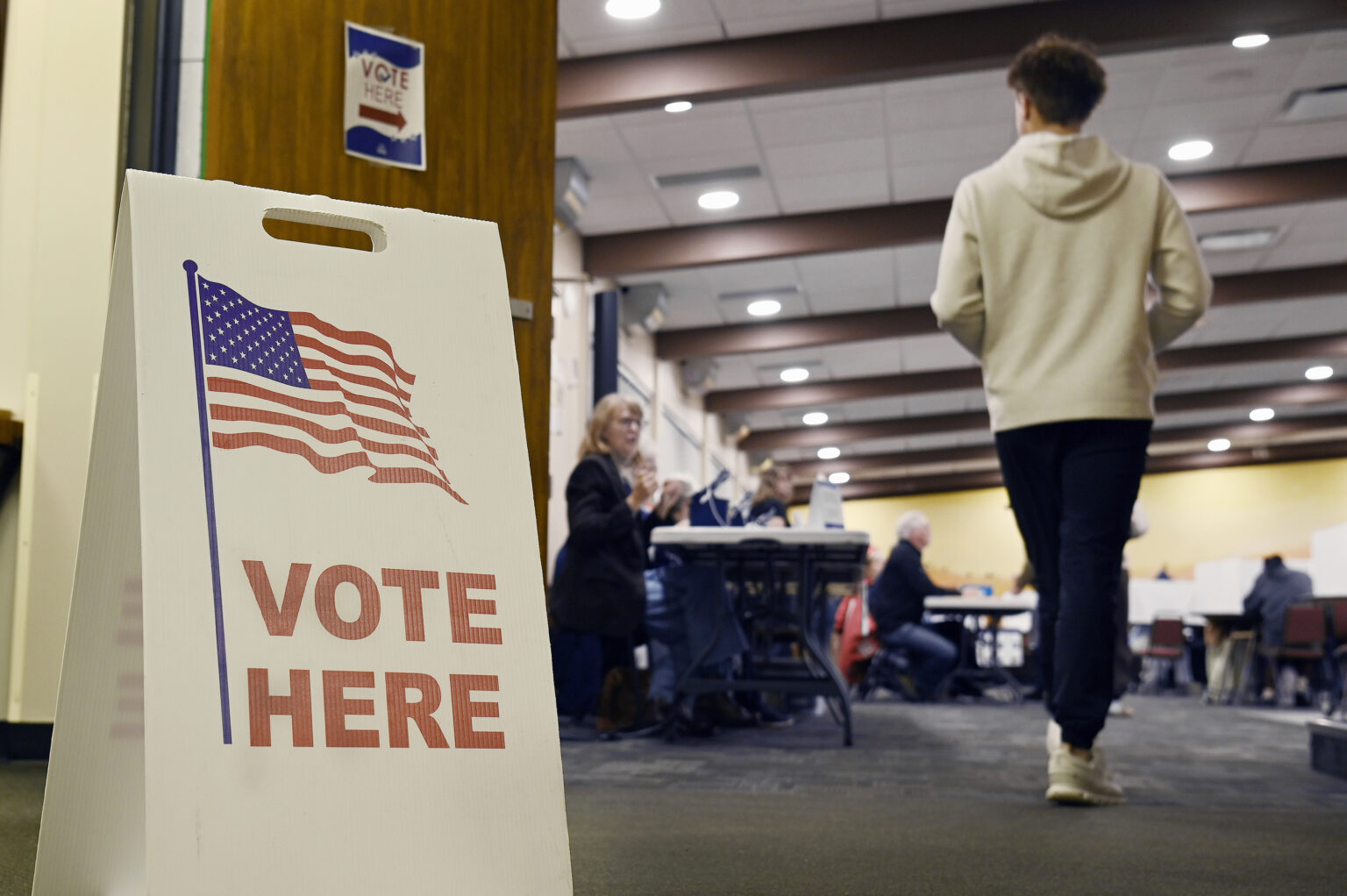
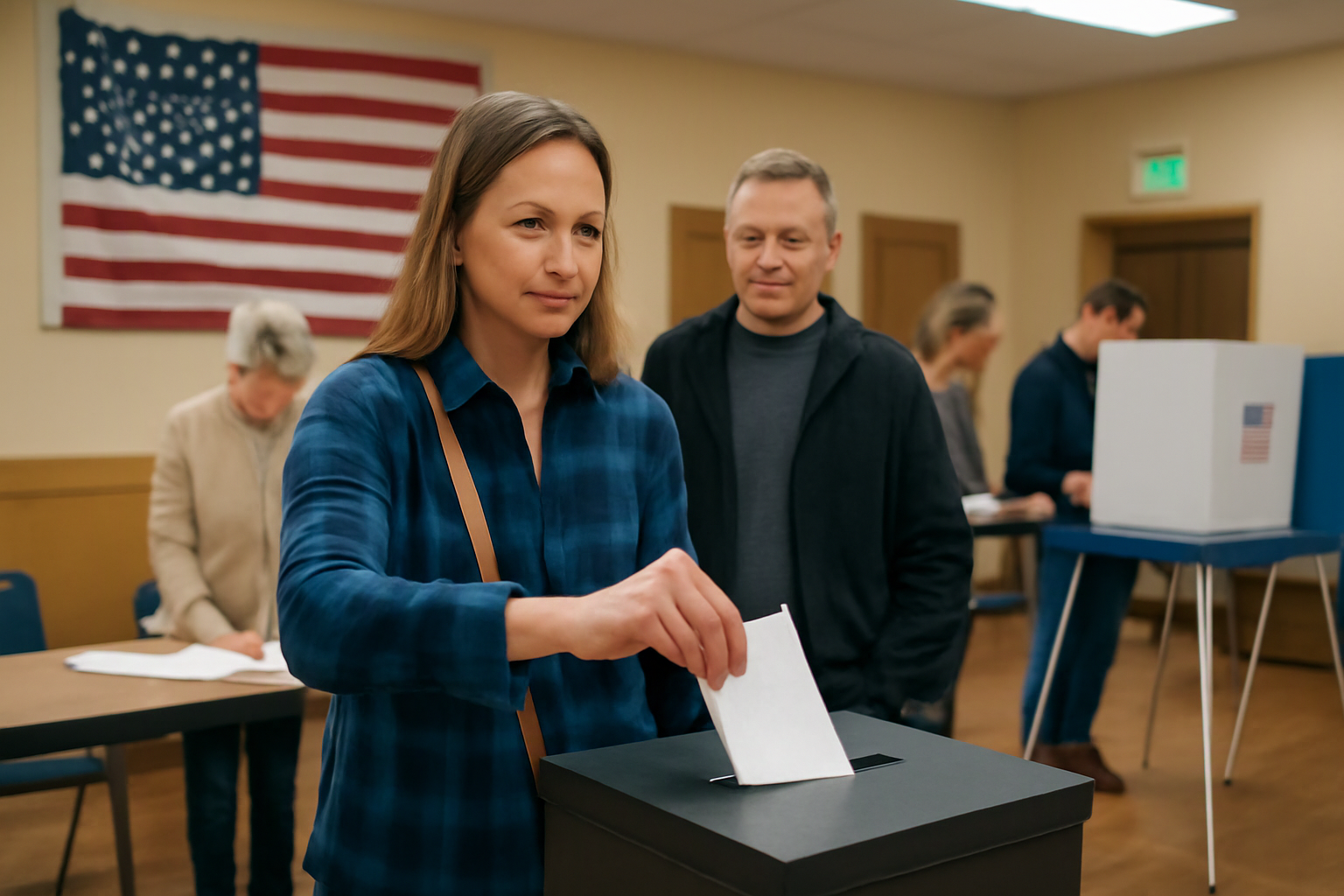
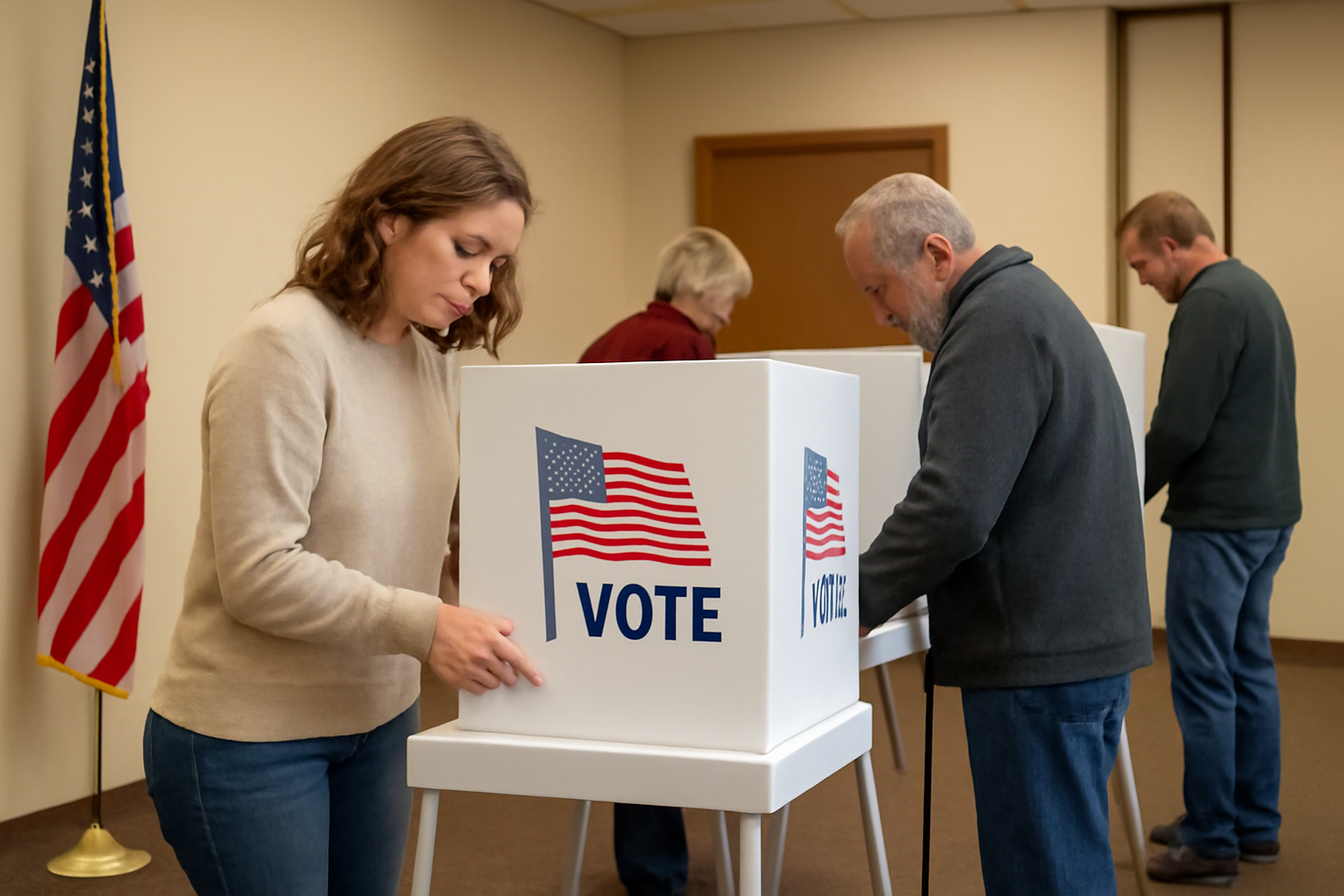
As the sun set over Fargo on November 3, 2026, voters lined up at the El Zagal Shrine Hall, their expressions a mix of determination and uncertainty. For many, this election was about more than just casting a ballot; it was a moment to influence the future of North Dakota's governance and education system. The stakes were high as residents prepared to weigh in on two critical constitutional amendments that could reshape the landscape of statewide elections and public school funding.
On that pivotal Tuesday, North Dakota voters faced two proposed amendments that could significantly impact the state's political and educational frameworks. Measure 1 sought to raise the approval threshold for future state constitutional amendments from a simple majority to a 60% supermajority. Proponents of the measure argued that this change would safeguard the state constitution from the influence of out-of-state interest groups pushing for rapid policy changes. They believe that a higher threshold would encourage more thoughtful deliberation before significant changes are made.
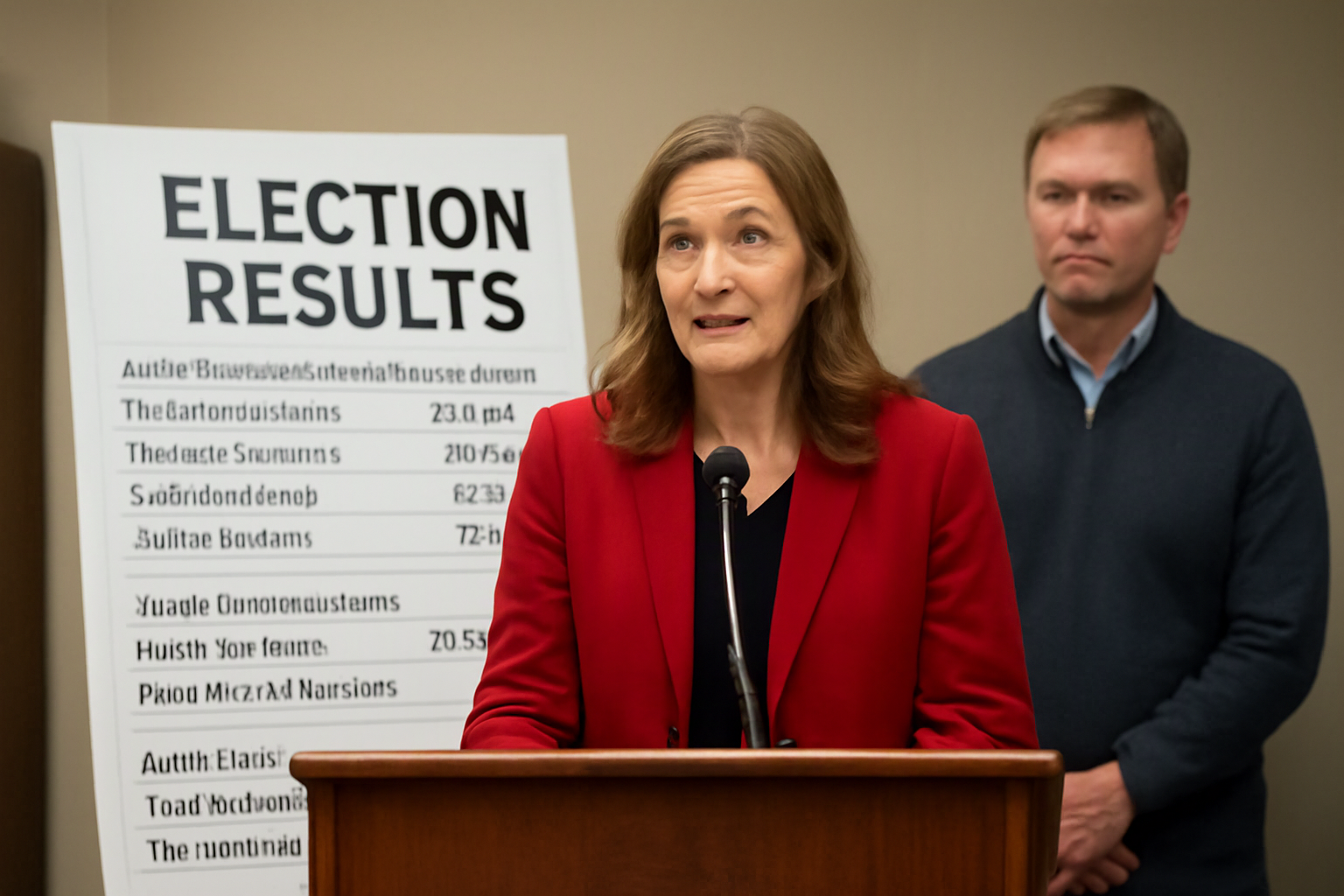
However, opponents of Measure 1 contended that raising the approval requirement would weaken the principle of direct democracy, making it exceedingly difficult for citizen-led initiatives to gain traction. As of 11 p.m. on election night, with results from 324 of 358 precincts reported, the measure was failing, with 56.2% voting against it and only 43.8% in favor.
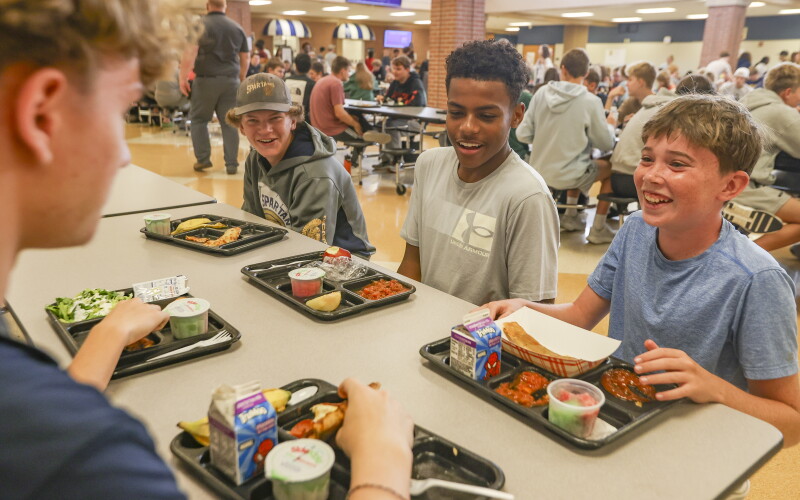
Meanwhile, Measure 2 proposed a significant shift in public education funding by mandating state-funded meals for all public school students, irrespective of their household income. Supporters argued that providing free breakfast and lunch to every student would combat classroom hunger, enhance focus, and eliminate the stigma associated with income-based meal programs. The hope was that universal access to meals would create a more equitable learning environment.
The community's response to these measures was palpable, with many residents expressing their views passionately. At the El Zagal Shrine Hall, voters shared their thoughts on the implications of both measures. Local teacher Sarah Thompson voiced her support for Measure 2, stating, "Providing free meals for all students is essential. When kids are hungry, they can't learn effectively. It's not just about feeding them; it's about setting them up for success in school and in life."
Conversely, some residents were concerned about the financial implications of Measure 2. Business owner Mark Jensen expressed his apprehension, saying, "While I understand the need for these programs, we must consider the burden on taxpayers. Our state budget is already tight, and this could lead to higher taxes for everyone."
The contrasting perspectives highlight the community's struggle to balance the needs of its students with fiscal responsibility. As the results rolled in, it became evident that many voters were weighing the long-term benefits of public education against immediate financial concerns.
Both measures sparked conversations about the future of North Dakota's governance and education system. Supporters of Measure 1 emphasized the need to protect the constitution from rapid changes that could be influenced by external forces. They argued that the supermajority requirement would ensure that any amendments reflect a broader consensus among voters.
On the other hand, opponents of Measure 1 warned against the potential erosion of direct democracy. They argued that making it more challenging for citizens to propose amendments could stifle grassroots movements and limit the power of the electorate to shape their own laws.
As for Measure 2, the debate centered around the fundamental question of access to education and resources for all children. Advocates pointed to studies showing that students who have access to free meals perform better academically, while critics raised valid concerns about the financial sustainability of such a program.
As the dust settles from the election, the focus now shifts to the county canvassing boards, which will convene to review absentee and provisional ballots. This process is crucial for ensuring that every vote is counted accurately before the state canvassing board officially certifies the election results. The final certification will provide a clearer picture of where North Dakota stands on these pivotal issues.
In the coming days, community members will undoubtedly continue to discuss the implications of the election outcomes. For many, the failure of both measures raises questions about the future of direct democracy in North Dakota and the state's commitment to addressing educational disparities.
Local advocacy groups are already mobilizing to address the challenges posed by the election results. Organizations like North Dakota Department of Public Instruction are expected to play a key role in shaping future discussions around education funding and policy. Meanwhile, proponents of direct democracy are likely to regroup and strategize on how to effectively rally support for future initiatives.
The implications of these measures extend beyond the ballot box. The ongoing dialogue surrounding education funding and constitutional amendments reflects broader societal values and priorities. In a state where family and community are foundational, the decisions made at the polls resonate deeply with residents.
Many families are directly affected by the outcomes of these measures. For parents like Jessica and Tom Miller, who have two children in the public school system, the prospect of universal meals was a beacon of hope. "We struggle to make ends meet, and knowing that our kids could have access to free meals would have made a huge difference for us," Jessica shared.
Moreover, the debate surrounding Measure 1 highlights the importance of civic engagement and participation. As residents grapple with the complexities of governance and democracy, it becomes increasingly clear that informed and active citizens are essential for shaping their communities.
As North Dakota faces these challenges, the need for unity and collaboration becomes paramount. Local leaders and community members must come together to advocate for solutions that address both the needs of students and the concerns of taxpayers. The ongoing discussions about education and governance should not be divisive but rather serve as an opportunity for residents to work collectively toward a brighter future.
In the coming months, community forums and discussions will likely emerge as platforms for residents to voice their opinions and propose new initiatives. Engaging in constructive dialogue will be vital for finding common ground and fostering a sense of shared responsibility.
As North Dakota moves forward, the outcomes of this election will undoubtedly shape the trajectory of future policies and initiatives. The failure of Measures 1 and 2 serves as a reminder of the complexities of governance and the importance of community engagement.
Residents are encouraged to stay informed and involved in local issues, as the dialogue surrounding education and constitutional amendments will continue to evolve. The state’s commitment to fostering strong families and communities will depend on the ability of its citizens to advocate for policies that reflect their values and priorities.
In the end, the true measure of success lies not just in the outcomes of individual elections but in the collective efforts of the community to build a better future for all its members. As North Dakota navigates its path forward, the hope is that residents will remain steadfast in their commitment to each other, their families, and the principles that unite them.